Paint or replace your kitchen cabinets?
A clear UK comparison of cost, time, durability and finish — with the honest conditions that make each the right call in 2026.
Jump to a section
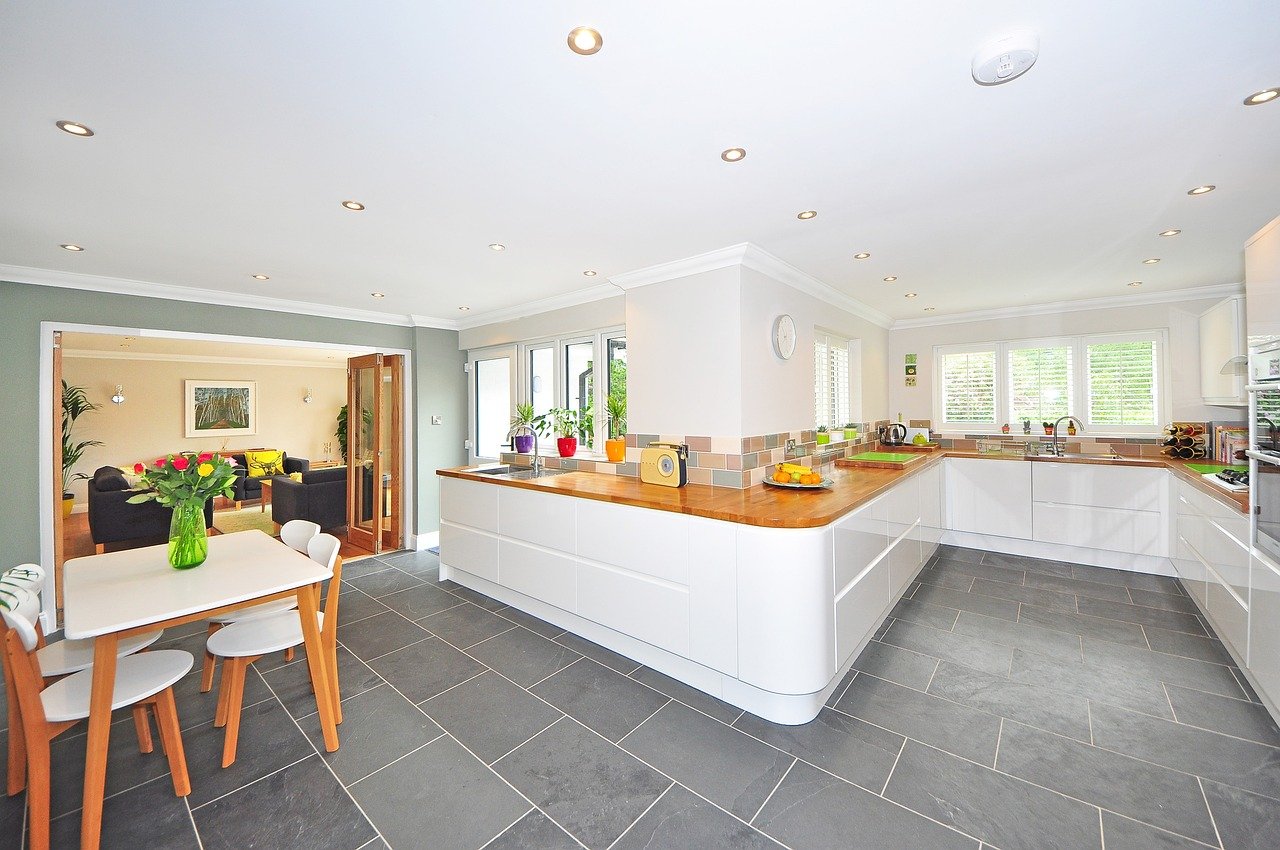
“Should I just paint them or rip the whole thing out?” is one of the most common kitchen-renovation questions we hear — usually from homeowners staring at a perfectly functional kitchen they’ve fallen out of love with. The honest answer isn’t universal: it depends on the state of the cabinets, the layout, your budget and what you actually want to change. This guide walks through both options in real UK numbers, with the conditions that genuinely tip the decision one way or the other.
The quick verdict
If your cabinet carcasses, hinges and layout are sound and you just hate the colour or finish — paint. A professional on-site respray saves 60–85% versus replacement, takes a week instead of three, and produces a finish that lasts a decade in real family use.
If your cabinets are water-damaged, your layout no longer works for your life, or your runners and hinges are failing across the kitchen — replace. Paint cannot fix structure, layout or mechanical failure. Painting a broken kitchen just gives you a freshly-painted broken kitchen.
Cost: paint vs replace (2026)
These are realistic UK ranges based on a typical family kitchen (15–25 cabinet doors plus drawers). London and South London sit toward the upper end of each range; Leicester and the wider Midlands sit toward the lower end.
| Option | Typical UK cost (2026) | What's included |
|---|---|---|
| Professional on-site respray | £1,500 – £3,500 | Degrease, sand, primer, two topcoats, hardware refit, full containment, 2-year workmanship guarantee |
| Spray-on cabinet wrap film | £1,200 – £2,800 | Vinyl film overlay — cheaper but with shorter lifespan and visible seams over time |
| New cabinet doors only (carcasses kept) | £2,500 – £6,000 | Replacement doors and drawer fronts fitted to existing units — viable if hinges line up |
| Mid-range replacement kitchen | £8,000 – £15,000 | New units, soft-close doors, basic worktops, installation, removal of old units — before any tiling, flooring or worktop upgrades |
| Premium replacement kitchen | £15,000 – £30,000+ | Bespoke or in-frame cabinetry, stone worktops, integrated appliances, premium fitting — the going rate for full Howdens/Wren/Magnet jobs |
| Full kitchen renovation | £25,000 – £60,000+ | Replacement plus structural changes, new flooring, full tiling, electrical re-routing, plastering, decorating |
Realistic comparison: a £2,500 respray vs a £12,000 replacement kitchen is a £9,500 difference. That’s the same money as a holiday, a new boiler, half a deposit on a car — or simply staying in your savings. The replacement only makes sense if you genuinely need what the extra £9,500 buys (new layout, new appliances, etc.) and not just a different colour.
Timing: paint vs replace
Cost matters, but so does how long your kitchen is out of action. Painting wins on this comparison even more decisively than on cost.
| Option | On-site time | Kitchen usable during work? |
|---|---|---|
| Cabinet respray (small kitchen) | 3–4 days | Partial — limited use during prime and topcoats |
| Cabinet respray (family kitchen) | 5 days | Partial — appliances usually accessible |
| Cabinet respray (large kitchen, 25+ doors) | 5–7 days | Partial — plan ahead with takeaways or another room |
| New doors only (carcasses kept) | 1–2 days fitting | Yes, mostly — but lead time for doors can be 4–8 weeks |
| Mid-range replacement kitchen | 1–3 weeks on-site | No — full strip-out then refit |
| Full kitchen renovation | 4–8 weeks | No — multiple trades, structural work |
See our full house painting timing guide for more detail on how kitchen projects fit alongside other rooms.
When painting is the right call
Painting is the smart move when one or more of these describes your kitchen:
- You like the layout. The work triangle (sink, hob, fridge) flows well; storage is adequate; you wouldn’t move things around even if you were buying new.
- The carcasses are sound. Pull a drawer out and look at the cabinet sides — if they’re not swollen, water-damaged or showing delamination, the structure is fine.
- Hinges and drawer runners still work. A few squeaky hinges are normal and replaceable. Wholesale failure of soft-close mechanisms across the kitchen is a different story.
- It’s the colour or finish you hate, not the kitchen. Cream gloss from 2010, dated oak shaker, magnolia — these are paint problems, not kitchen problems.
- You’re preparing to sell. A £2,500 respray on a sound kitchen is one of the highest ROI moves before a sale. Buyers see a “done” kitchen, not a project.
- You’re in a leasehold flat with kitchen-renovation restrictions. Many leasehold blocks require sign-off for major works but not for cosmetic repaints.
- You inherited the kitchen with the house. Painting first, then deciding whether to fully replace after a year of actually using the kitchen, is often the wise sequence.
When replacement is the right call
Painting can’t fix everything — and we’ll always tell you honestly when replacement is the better spend. Replace when:
- Cabinets are water-damaged or swollen. Once MDF or chipboard has absorbed water, paint won’t hide the bulging and won’t stop further movement. The doors and carcasses both need to go.
- The layout doesn’t fit your life anymore. Moving from a galley to an open-plan, knocking through to a dining room, or simply needing more counter space — layout changes need new units.
- Hinges, runners and soft-close are failing across the kitchen. Replacing every mechanism is fiddly enough that new doors and units often work out simpler and cheaper.
- You actively dislike the door style. Painting a 1990s overhung-handle slab door is technically possible but the door style still reads as “1990s”. Switch to shaker, slab handleless or in-frame and the whole kitchen feels different.
- Major appliances need built-in changes. Larger American-style fridges, double ovens, slimline dishwashers — if you’re changing the appliance footprint, the cabinets around them usually have to move too.
- The existing kitchen is genuinely flat-pack budget build. Some entry-level kitchens are structurally so light that fitting better doors to weak carcasses underperforms a full budget-replacement.
Pro tip: if you’re uncertain, book a quote visit with both a kitchen company and a cabinet-painting specialist on the same week. Compare what each says about your specific cabinets — honest tradespeople will point you the right way for your kitchen, not just sell what they offer.
Cabinet condition checklist
Before booking either job, walk around your kitchen with this checklist. The answers tell you which way the decision should go.
| What to check | Paint-friendly | Replace-only |
|---|---|---|
| Cabinet sides under the sink | Dry, firm, no swelling | Soft, swollen or visibly water-damaged |
| Drawer runners | Slide smoothly, soft-close works | Sticky, fallen, broken on multiple drawers |
| Hinges | One or two need replacing | Most are loose, dropping, or broken |
| Door fronts | Solid, just dated or chipped at edges | Delaminated, bubbled, edges peeling |
| Layout | Works for your life — you wouldn’t change it | Cramped, awkward, missing storage |
| Worktops | Fine or planning a separate worktop swap later | Need replacing as part of any work |
Mostly paint-friendly column? You’ll likely save thousands by resprayng. Mostly replace-only column? Don’t spend money making a failing kitchen look prettier.
The 5-day respray process (what actually happens)
For homeowners who’ve never had cabinets painted professionally, here’s exactly what a typical UK 5-day on-site respray looks like:
- Day 1 — Protect & prep. Worktops, appliances, floors and adjacent rooms sheeted and masked. Hardware (handles, knobs, hinges where needed) removed. Cabinets degreased with an alkaline cleaner — kitchen grease is the #1 cause of finish failure if skipped.
- Day 2 — Sanding & repairs. Every surface keyed by hand with fine grit. Chips, dents and opened joints filled and made good for a flat base.
- Day 3 — Primer. Adhesion primer suited to the substrate — typically Zinsser BIN shellac on grease-prone or stained surfaces. Left to cure properly, then sanded smooth so the topcoats have a glass-flat base.
- Day 4 — First topcoat. First full coat of a hardwearing cabinet paint — Tikkurila Helmi 30, Dulux Trade Diamond Satinwood, or similar — applied evenly with proper cure time before the next stage.
- Day 5 — Final coat & reinstate. Second topcoat, snag check, hardware refitted, floors vacuumed and kitchen handed back clean and ready to use.
For a worked-through example with all the specifics, see our kitchen cabinet painting service page.
What paint system actually lasts
This is where bad respray jobs fall apart — literally. Wall paint is not cabinet paint. A kitchen that’s been painted with standard emulsion will start chipping at handle-edges within months. The right system has three specific roles:
- Adhesion primer: bonds to a non-porous, often greasy surface. Zinsser BIN shellac is the trade standard — it blocks stains, locks down nicotine and grease residue, and sticks to almost anything when properly degreased first.
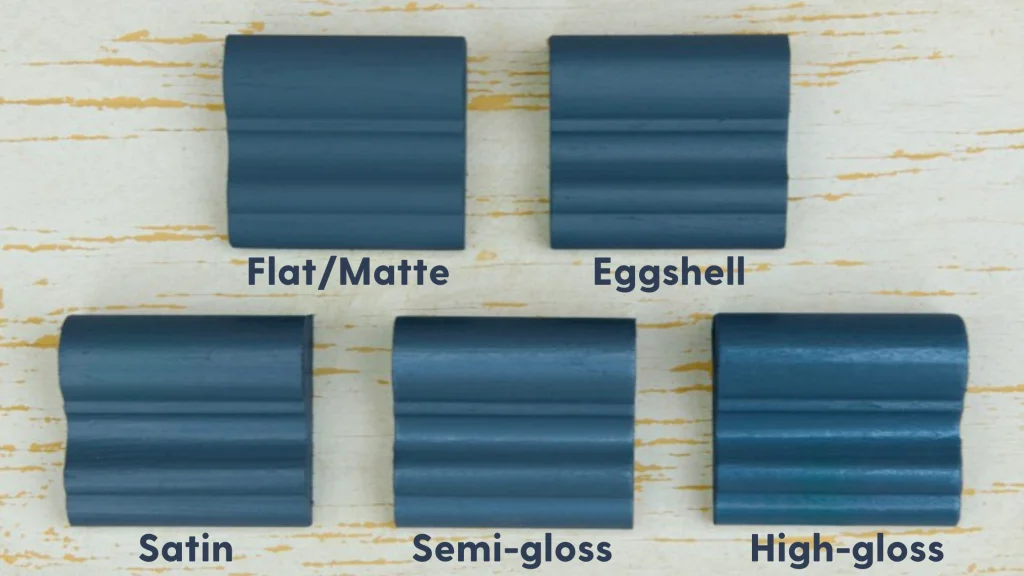
- Cabinet-specific topcoat: hardens to a tough, scrubbable, semi-gloss or satinwood finish. Tikkurila Helmi 30 (water-based, low-odour, hardens hard) and Dulux Trade Diamond Satinwood are both excellent. For demanding kitchens, 2-pack polyurethane lacquers go further but need more containment.
- Application method: spraying delivers a finish you cannot match with a brush. HVLP (high-volume, low-pressure) spray kits give the “factory” smoothness that makes resprayed kitchens look new, not repainted.
Cheap quotes often skip the right primer, use the wrong topcoat, or roller-apply where they should spray. The finish looks fine at handover and starts failing in month three. See our spray painting service for more on the equipment side.
Handles, hinges & small details that matter
A few small upgrades alongside the respray can transform the final result for a tiny additional cost:
- New handles (£40–£120 total). Swapping dated brass for matte black, brushed brass or knurled steel changes the whole feel. Use the same screw centres for a no-fuss swap.
- Soft-close hinge upgrade (£80–£200). If your existing hinges aren’t soft-close, this is a cheap upgrade while doors are off anyway.
- Drawer organisers and bin pull-outs (£50–£300). Fit them while the kitchen is half-stripped — you’ll never have better access.
- Matching skirting and trim repaint (included in most respray quotes). The detail that separates “respray” from “renovation feel”.
- Lighting under-cabinet LED strips (£60–£200 + sparks). Adds “new kitchen” lighting without touching the cabinetry.
FAQ
Is it cheaper to paint kitchen cabinets or replace them?
Painting is cheaper by 60–85% in most cases. A typical UK family kitchen respray runs £1,500–£3,500. A like-for-like mid-range replacement runs £8,000–£15,000 once you add fitting, removal of old units and any incidental tiling or flooring work.
How long does a kitchen cabinet respray take?
Small kitchens (under 15 doors): 3–4 days. Family kitchens: 5 days. Larger kitchens with 25+ doors: 5–7 days. You’ll have limited kitchen use during the prime and topcoats but the rest of the home stays clean and usable.
How long does the paint finish last on cabinets?
With proper prep and a quality cabinet paint system, typically 8–12 years of normal family use. Avoid harsh scourers, wipe spills promptly, and the finish lasts longer. Light touch-ups every few years keep it indefinitely fresh.
Can you paint MDF, laminate, or wood cabinets?
All three, yes — with the right primer for each substrate. MDF and solid wood are straightforward. Laminate and melamine need a specific bonding primer like Zinsser BIN; the work is the same but the primer choice is critical.
Can I stay in the house during the respray?
Yes — the work is contained to the kitchen. You’ll have partial kitchen access most days (appliances usually still reachable). Most clients set up a microwave-and-kettle in another room and order in or eat out for the worst 2–3 days.
Will the respray add value if I’m selling soon?
Yes — significantly more than the cost. A modern, well-chosen kitchen finish reads as a “done” kitchen to buyers, not a project. South London estate agents we work with regularly tell us a fresh kitchen respray pays for itself several times over at offer stage.
What colours work best for a kitchen respray?
Modern matt or satin neutrals (off-whites, soft greys, mushroom, sage) age best. Deep navy, forest green and inky black-blue are on trend and work well for islands or lower units. Avoid trend-of-the-moment bright colours unless you’re prepared to respray again in five years.
What if you find damage during prep?
We tell you straight away with photos. Minor chips and dents are filled and painted as part of the job. Water-damaged or structurally failing doors are a better candidate for replacement — we won’t dress up a poor surface and we’ll quote the replacement option honestly.